English| EUR
Suggested for you
More currencies
Choose a language
The route between Georgia's capital and Armenia's largest city remains one of the South Caucasus's most traveled corridors. Understanding the actual distance, border dynamics, and road conditions determines whether you arrive relaxed or exhausted. This guide unpacks the logistics that matter.
Quick answer
The tbilisi to armenia distance measures 275 kilometers (171 miles) via the M5/M6 highway to Yerevan, the capital and primary destination for travelers crossing the border. Actual travel time ranges from 4.5 to 7 hours depending on border queue length at Sadakhlo-Bagratashen checkpoint, road conditions through the Debed Canyon, and seasonal weather affecting the mountain pass sections between Alaverdi and Lake Sevan basin.
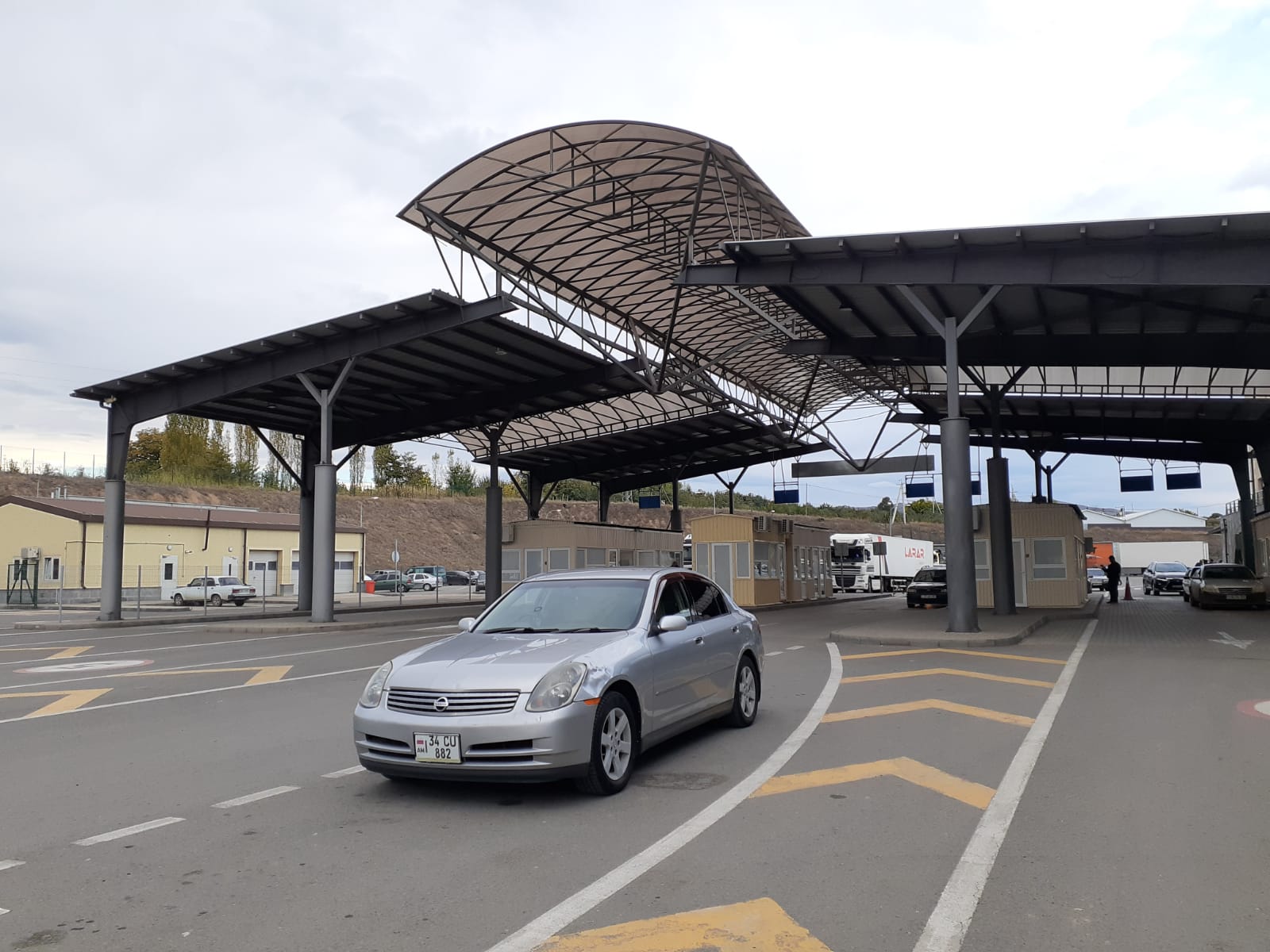
The 275-kilometer stretch connecting Tbilisi and Yerevan follows an ancient trade route that predates both modern capitals by centuries. Caravans once spent weeks navigating these mountain passes; today's marshrutkas and shared taxis complete the journey in half a working day, but the terrain still commands respect. The tbilisi to armenia distance breaks into three distinct segments with different logistical profiles. The first 110 kilometers from Tbilisi to the Sadakhlo border post runs through Georgia's eastern plains on well-maintained asphalt, typically covered in 90 minutes during off-peak hours. The Bagratashen checkpoint itself sits at the narrowest point of the corridor, where morning convoys from both directions create predictable bottlenecks between 09:00 and 11:30. The Armenian side then climbs immediately into the Debed River gorge, a 60-kilometer section of winding two-lane road past Alaverdi's Soviet-era copper smelter and the medieval monasteries of Sanahin and Haghpat, where heavy truck traffic and hairpin turns slow progress to 40 kilometers per hour in places. Beyond the canyon, the M6 highway ascends to the Pushkin Pass plateau at 2,000 meters before descending past Lake Sevan's northern shore into the Ararat Plain. This final 105-kilometer run into Yerevan offers the smoothest pavement and the route's only sustained straightaways, but winter snow closures between November and March can add two hours via the lower Ijevan detour. The optimal departure window from Tbilisi falls between 08:00 and 10:00, positioning arrivals at the border before midday queues peak and reaching Yerevan in daylight with buffer time for the inevitable roadside brake check or fuel stop. The route's character changes with the seasons in ways that static distance figures conceal. Summer dust coats vehicles in the Georgian plains while sudden afternoon thunderstorms in the Debed gorge reduce visibility to thirty meters. Autumn brings the clearest conditions and the lightest traffic, making September and October the months when the published 4.5-hour minimum actually holds. Spring melt swells the Debed River and occasionally closes the lower canyon road for maintenance, forcing traffic onto the older parallel track through Alaverdi's industrial zone. The Sadakhlo-Bagratashen crossing operates around the clock, but staffing levels drop after 22:00, extending processing times for night crossings by 45 minutes on average.
“The 275-kilometer route breaks into three segments with radically different pacing—plains, canyon, and plateau—each imposing its own delays that a single distance figure cannot capture.”
The distance between Tbilisi, Georgia, and Yerevan, Armenia, is approximately 280 kilometers, typically covered by road via the M6 highway or by rail. Travelers commonly utilize cross-border buses, private cars, or the seasonal night train to navigate this mountainous route.
Mashrutka (minibus) from Ortachala or Avlabari station
E60 and M6 highways via Sadakhlo-Bagratashen border
South Caucasus Railway (seasonal) from Tbilisi Central to Yerevan
Private hire from city center to Yerevan center
Travelers should plan their arrival window between 08:00–18:00 to ensure optimal daylight for the border crossing and scenic road travel. Check the address at Tbilisi, Georgia to Yerevan, Armenia for specific departure point coordination.
The best arrival window for traveling between Tbilisi and Yerevan is 08:00–18:00 to maximize daylight for border crossings and scenic road navigation. Planning your journey within this timeframe ensures optimal visibility across the mountainous terrain.
Mild, 15°C to 22°C
Vegetation is lush and temperatures remain comfortable for long transit periods.
Hot, 25°C to 35°C
Roads are clear, though midday temperatures can be high.
Cool, 12°C to 20°C
Stable weather conditions provide clear views of the landscape during transit.
Cold, -5°C to 5°C
Potential for snow and ice, requiring extra caution on mountain passes.
Verdict: The most favorable travel period is May or September, ideally departing to arrive at the border during the 08:00–18:00 window.
This timeline works for travelers departing Tbilisi in the morning and reaching Yerevan by late afternoon. The 270-kilometer journey typically takes 4–6 hours depending on border processing and road conditions.
Leave central Tbilisi during the optimal morning window to maximize daylight for the journey. Factor in 15–20 minutes to reach the city's southern exit.
The first leg covers approximately 200 kilometers on the M1/E117 highway through Georgian countryside. Sadakhlo border crossing appears around the 2-hour mark.
Georgian exit and Armenian entry formalities require 30–90 minutes depending on queue length and document checks. Keep passports and vehicle papers accessible.
After clearing Bagratashen checkpoint, continue 70 kilometers south on the M6 highway toward Yerevan. The road descends through Debed Canyon with views of Lori Province.
Enter Yerevan's northern districts and navigate to your accommodation or first stop. Allow buffer time for unfamiliar streets or parking.
The journey between Tbilisi, Georgia, and Yerevan, Armenia, involves no official entrance fees for crossing the border. All associated costs are strictly related to your chosen mode of transportation.
Verdict: A traveler pays 0 EUR for border entry, with total trip costs fluctuating based solely on transportation service fees.
Cross the Georgia-Armenia border smoothly by gathering these documents and completing key steps in advance.
Everything you need to know about tbilisi to armenia distance
The driving tbilisi to armenia distance is approximately 280 kilometers, depending on your specific starting point and route taken. This journey traverses the scenic Caucasus Mountains, connecting the capital cities of Georgia and Armenia.
Travel time between Yerevan and Tbilisi typically ranges from 5 to 6 hours by road. Factors such as border control processing and road conditions may influence the total duration of your transit.
The recommended window for travel is 08:00–18:00 to ensure optimal daylight for border crossing and scenic road travel. Traveling during these hours helps maintain visibility and efficiency throughout your trip.
There is 0 EUR entrance fee for the route itself, as it is a public transit corridor between two sovereign nations. Please note that while the route is free, individual travel costs for your chosen transport mode will apply.
You can arrange a guided day tour to manage the tbilisi to armenia distance comfortably. These services provide professional drivers who navigate the terrain, allowing you to focus on the landmarks along the way.
When planning your trip, consider the mountainous terrain and the international border requirements. Verifying your travel documents is essential before you begin your journey across the tbilisi to armenia distance.